

The term “superfood” gets thrown around a lot, but research shows that prunes may actually deserve this title—particularly when it comes to bone health.
In this article, we’ll explore what the science says about prunes and bone health and highlight the prune-specific nutrients that may be responsible for their bone-boosting effects.
How Does Osteoporosis Form?
Osteoporosis is a condition that causes bones to become weak and brittle, making them more prone to fractures.
Your bones are constantly breaking down and rebuilding. In youth, bone formation is faster than breakdown. However, around your 30s, you reach peak bone mass density (BMD), and after that, bone breakdown gradually begins to exceed formation.
While some decline is natural with age, osteoporosis occurs when this process speeds up due to factors like:
- Hormonal changes
- Nutrient deficiencies
- Sedentary lifestyle
- Other health and lifestyle factors
Bone strength in childhood may also influence osteoporosis risk later in life.
Can Prunes Reverse Bone Loss?
The good news is that bone loss can often be slowed or even partially reversed through lifestyle, activity, and nutrition.
Prunes (dried plums) have gained attention for their effects on bone mineral density.
In one study, postmenopausal women with osteoporosis consumed 100g of either dried apples or prunes daily for one year. Those who ate prunes showed significantly higher bone mineral density than the control group.
A follow-up study found that even 50g of prunes daily (about 4–5 prunes) helped preserve bone density. This lower amount was also better tolerated.
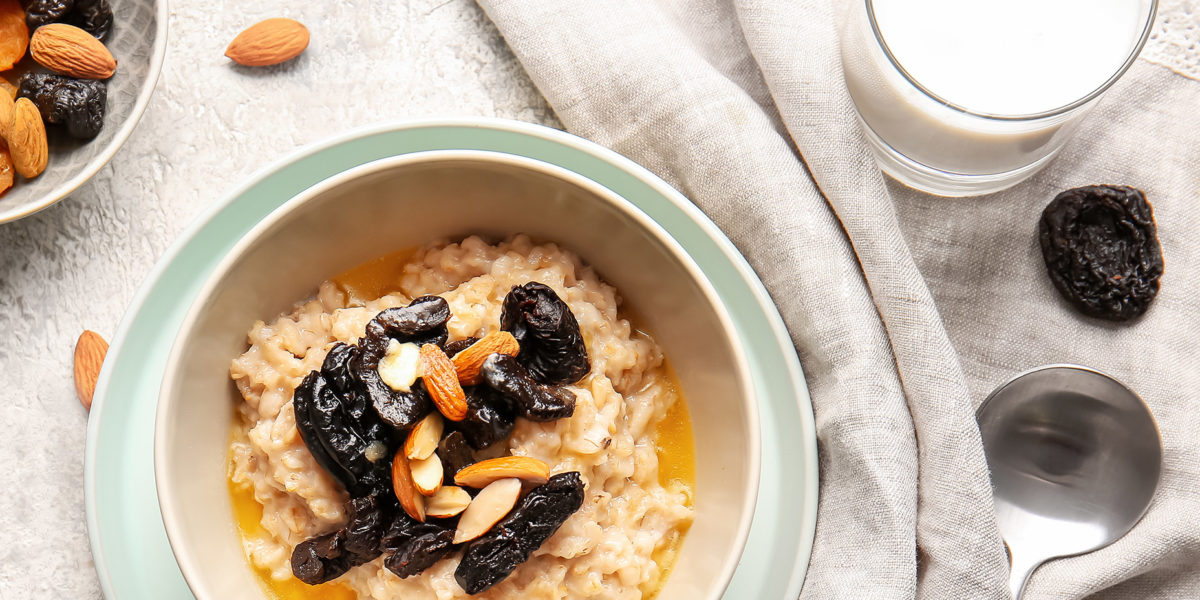
Researchers believe prunes may work by slowing bone resorption (bone breakdown).
Other studies suggest that their antioxidant and anti-inflammatory properties may also help protect bones by reducing oxidative stress and inflammation.
Research reviews further suggest that prune compounds may positively influence bone-forming cells (osteoblasts) and reduce activity of bone-resorbing cells (osteoclasts).
Why Are Prunes Good for Bone Health?
Although the exact mechanism is still being studied, several nutrients in prunes appear to support bone health.
1. Vitamin K and Calcium Balance
Prunes are rich in vitamin K, which helps regulate calcium in the body.
Vitamin K activates proteins that:
- Move calcium into bones
- Prevent calcium buildup in soft tissues
It also supports osteocalcin, a protein essential for bone mineralization.
2. Antioxidants and Inflammation Control
Inflammation and oxidative stress contribute to bone loss, especially after menopause.
Prunes are rich in polyphenols, powerful antioxidants that may:
- Reduce inflammation
- Protect bone cells
- Support gut microbiome health, which is linked to bone metabolism
Key compounds include:
- Chlorogenic acids
- Caffeic acid
- Rutin
- p-coumaric acid
3. Potassium for Calcium Preservation
Potassium helps neutralize acid in the body. When acidity is high, calcium may be pulled from bones.
Prunes provide a good amount of potassium, helping reduce calcium loss from bones.
4. Boron for Bone Strength
Prunes contain boron, a trace mineral involved in:
- Calcium metabolism
- Vitamin D function
- Bone growth and maintenance
- Hormonal balance
5. Copper and Manganese
These minerals support enzymes involved in bone formation and help maintain bone strength and structure.
6. Other Supporting Nutrients
Prunes also contain small amounts of:
- Vitamin A
- Vitamin K
- B vitamins (B2, B3, B6)
- Magnesium
- Phosphorus
- Potassium
Together, these nutrients create a supportive environment for bone remodeling.
Takeaway
Prunes may be a powerful food for supporting bone health.
Research suggests they may help:
- Slow bone breakdown
- Preserve bone density
- Provide key nutrients like vitamin K, boron, potassium, and antioxidants
However, prunes alone are not a complete solution for bone strength, especially since they are not a significant source of calcium.
Bone health depends on a combination of nutrients, lifestyle, and overall diet.
So while prunes can be a helpful addition, they work best as part of a broader bone-supporting nutrition strategy.